Pilonidal Sinus
Evaluation and treatment of pilonidal sinus, including abscess drainage, sinus excision and selected minimally invasive or flap procedures for recurrent and complex disease.
Key benefits
Individualised treatment planning
Abscess drainage when required
Sinus excision for persistent disease
Minimally invasive & laser surgery options for selected early cases
Overview
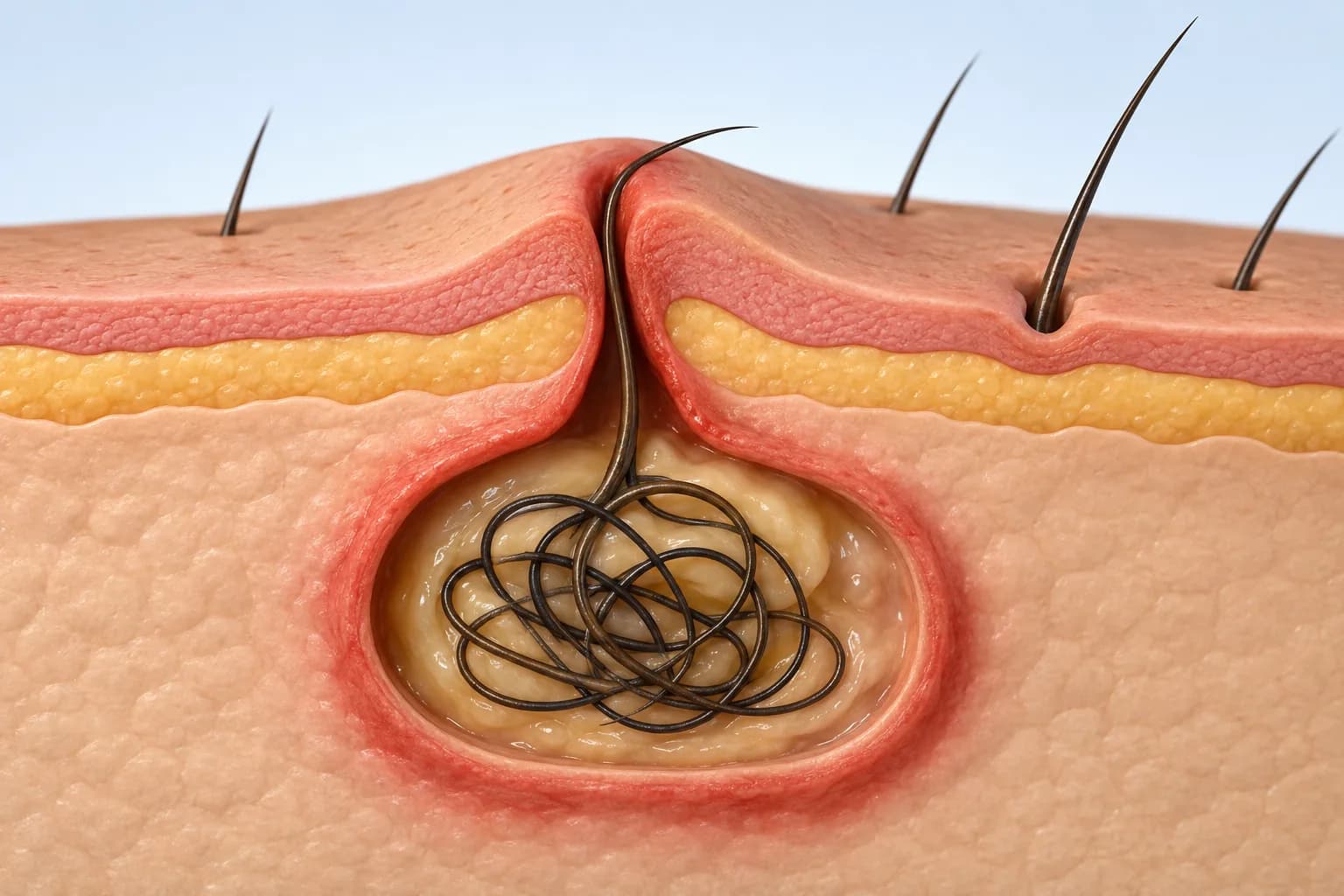
A pilonidal sinus is a small opening or tunnel that develops in the skin near the tailbone, usually in the cleft between the buttocks. It may contain hair and skin debris and can remain symptom-free or become repeatedly infected.
When infected, pilonidal sinus can cause pain, swelling, redness and discharge, and an abscess may develop. Recurrent disease can lead to repeated episodes of discomfort, swelling or drainage.
Dr. Jay Pitroda provides evaluation and treatment of pilonidal sinus, with the approach selected according to the extent of disease, presence of an abscess, previous treatment and whether the condition is recurrent or complex.
Treatment may include observation for asymptomatic disease, drainage of an acute abscess, sinus excision and, in selected cases, minimally invasive or flap-based procedures.
What to expect
Your consultation begins with a discussion of pain, swelling, discharge, previous episodes of infection and any previous treatment. The area is examined to determine the number and location of sinus openings and whether an abscess or active infection is present.
Most cases can be diagnosed clinically, while additional investigations may be considered when the diagnosis is uncertain or the disease is unusually extensive or recurrent.
Dr. Jay Pitroda will explain the available treatment options and discuss the expected benefits, limitations, risks and recovery before proceeding with treatment.
Recovery
Recovery depends on the extent of the pilonidal disease and the procedure performed. Drainage of an acute abscess is often performed as a day-care procedure, while excision and flap procedures may require a longer period of wound care and healing.
Post-operative care may include regular dressing changes, keeping the area clean, activity modification and follow-up until the wound has adequately healed. Return to work and normal activities depends on the procedure performed and the nature of your work.
Common questions
It may cause no symptoms when not infected. When inflamed or infected, it can cause pain, swelling, redness and discharge of pus or blood.
Pilonidal disease is thought to develop when loose or growing hairs become embedded in the skin, with friction, pressure and prolonged sitting contributing in some people.
No. An asymptomatic pilonidal sinus may not require treatment. Treatment becomes more relevant when there is infection, recurrent symptoms or persistent troublesome disease.
An acute infection can form a painful abscess containing pus. The usual treatment for an abscess is incision and drainage.
Antibiotics may sometimes be used in addition to treatment of infection, but a painful abscess generally requires surgical drainage rather than relying on antibiotics alone
Surgery may be considered for persistent, recurrent or troublesome disease, particularly when repeated infections or chronic drainage occur.
Excision involves removing the sinus and affected tissue. Depending on the technique, the wound may be left open to heal gradually or closed using sutures.
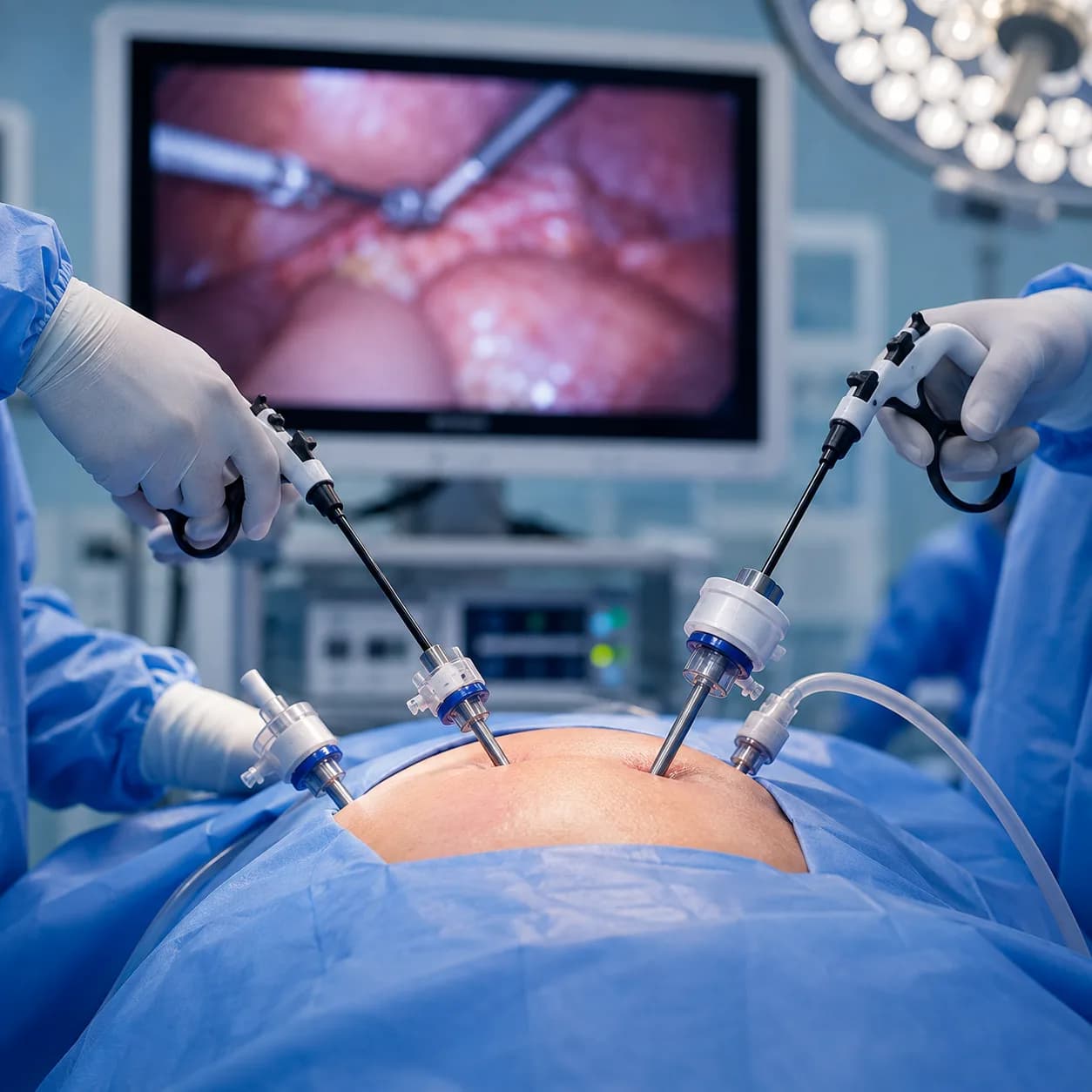
Selected patients may be suitable for minimally invasive techniques such as endoscopic pilonidal sinus treatment, in which the sinus is visualized, cleaned and treated through small access points.
Flap procedures remove the diseased tissue and use nearby healthy tissue to cover the defect. They may be considered for larger, complex or recurrent pilonidal disease.
Yes. Recurrence can occur after treatment, and the risk varies with the extent of disease, treatment method and individual factors.
Recovery varies according to the procedure and wound-management approach. Open wounds may require a longer period of dressing and healing, while some closed or minimally invasive procedures may allow a faster return to routine activities.
Keeping the cleft clean and following your surgeon's wound-care instructions are important. Hair-management advice may also be recommended in selected patients
A painful or rapidly enlarging swelling, significant redness, pus discharge, fever or difficulty sitting can indicate an acute abscess and should be assessed promptly.
Considering this procedure?
Book a consultation with Dr. Pitroda to discuss whether it's right for you.