Piles (Hemorrhoids)
Evaluation and treatment of piles (hemorrhoids), including lifestyle management, office procedures and surgical treatment for appropriate patients.
Key benefits
Personalised evaluation
Non-surgical & procedural options
Stapler / surgical treatment when appropriate
Laser surgery
Individualised recovery and follow-up
Overview
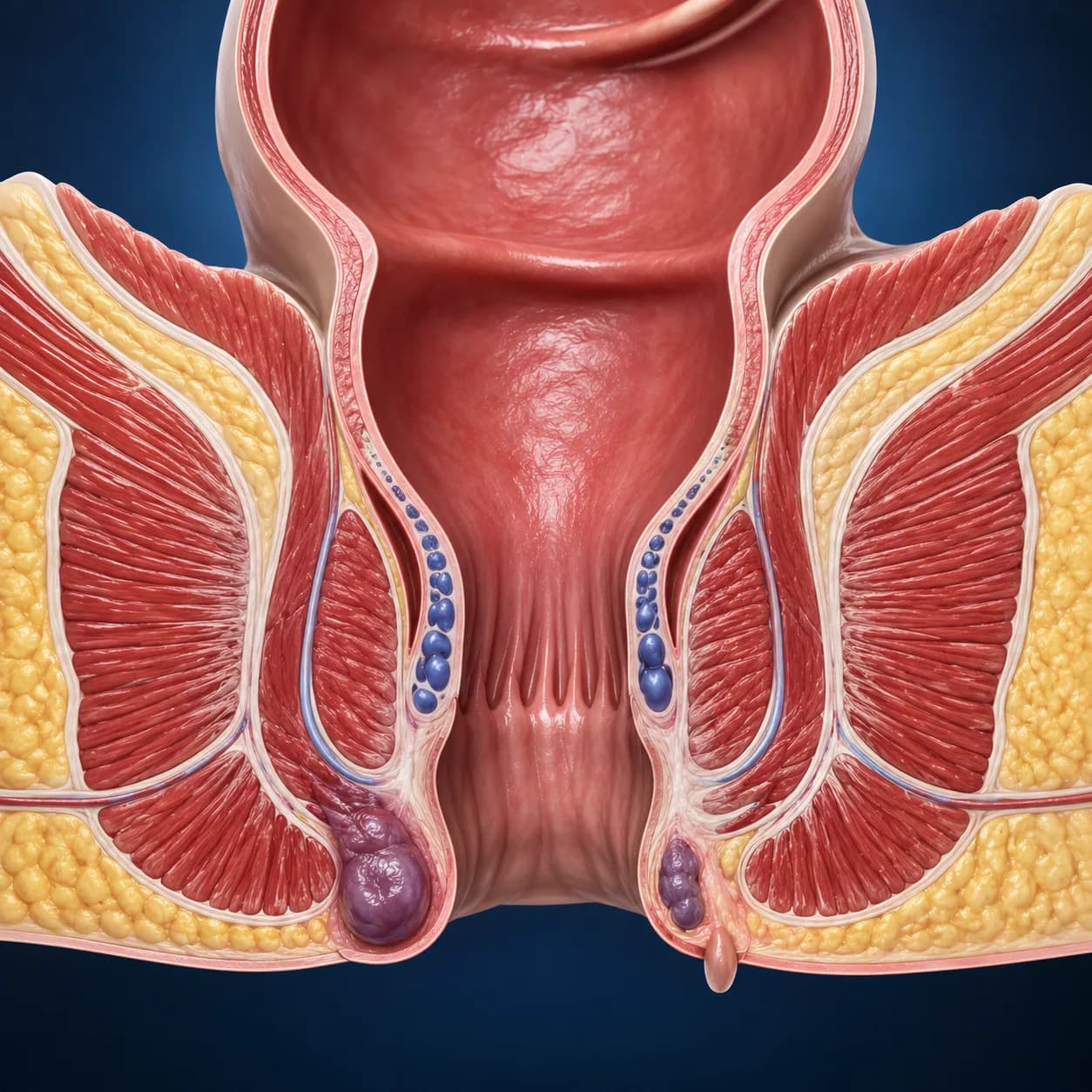
Piles, medically known as hemorrhoids, are swollen and inflamed vascular cushions in the lower rectum and around the anus. They may be internal or external and can cause symptoms such as bleeding, itching, discomfort, swelling or prolapse.
Dr. Jay Pitroda provides evaluation and treatment of piles using a stepwise approach based on the type of hemorrhoids, symptoms, prolapse and individual patient factors. Treatment may include dietary and lifestyle measures, medicines, office-based procedures or surgery when appropriate.
The goal is to identify the cause of your symptoms, relieve discomfort, address significant bleeding or prolapse when present, and select the least invasive treatment that is appropriate for your condition.
What to expect
Your consultation begins with a detailed discussion of your symptoms, bowel habits, medical history and previous treatment. Examination may include inspection, a digital rectal examination and, when required, anoscopy or another examination of the anal canal and lower rectum.
Because rectal bleeding can have causes other than hemorrhoids, persistent or unexplained bleeding should be properly evaluated rather than automatically attributed to piles.
Once the diagnosis is established, Dr. Jay Pitroda will discuss the available treatment options and explain the expected benefits, limitations, risks and recovery associated with the recommended approach.
Recovery
Recovery depends on the severity of the hemorrhoids and the treatment performed. Patients undergoing non-surgical or office-based procedures may often return home the same day, while surgical procedures can require a longer recovery period.
You will receive guidance on bowel habits, fiber and fluids, medicines, wound or procedure-site care, activity and follow-up. Recovery is monitored according to the treatment performed and your individual progress.
Common questions
Symptoms can include bright-red rectal bleeding, itching, discomfort, swelling, lumps around the anus and prolapse of internal hemorrhoids.
Constipation, straining during bowel movements, prolonged toilet sitting, low dietary fiber, pregnancy, ageing and frequent heavy lifting can increase the likelihood of hemorrhoids.
Yes. Many patients improve with measures such as increasing dietary fibre, maintaining adequate fluid intake, avoiding straining and improving toilet habits. Some hemorrhoids may also require office-based treatment or surgery depending on their severity
Treatment may be considered when symptoms persist, recur, significantly affect daily life, or when there is significant prolapse or bleeding. The appropriate treatment depends on the individual condition
Larger hemorrhoids or hemorrhoids that do not respond adequately to conservative or office-based treatment may require surgical treatment. Options can include hemorrhoidectomy or stapled hemorrhoidopexy in appropriately selected patients.
Rubber-band ligation is an office-based treatment used mainly for bleeding or prolapsing internal hemorrhoids. A small band is placed around the base of the hemorrhoid to reduce its blood supply.
Stapled hemorrhoidopexy uses a stapling device to reposition prolapsing internal hemorrhoidal tissue and reduce its blood supply. It is a treatment option for selected patients rather than a procedure suitable for every type of hemorrhoid.
No single technique is suitable for every patient. Treatment depends on the type and severity of hemorrhoids, symptoms, prolapse and clinical findings.
Yes. Hemorrhoids can recur after treatment, particularly when contributing bowel or lifestyle factors persist.
No. Rectal bleeding can occur with hemorrhoids but may also be caused by other conditions affecting the digestive tract. Persistent or unexplained bleeding should be evaluated by a healthcare professional.
Severe anal pain with significant rectal bleeding, heavy bleeding or clots, fever, or feeling significantly unwell warrants prompt medical assessment.
Considering this procedure?
Book a consultation with Dr. Pitroda to discuss whether it's right for you.