Circumcision
Circumcision for selected medical and personal indications, with conventional and stapler techniques available according to individual suitability.
Key benefits
Conventional & stapler options
Short-stay procedure in many cases
Individualised surgical planning
Clear post-operative guidance
Overview
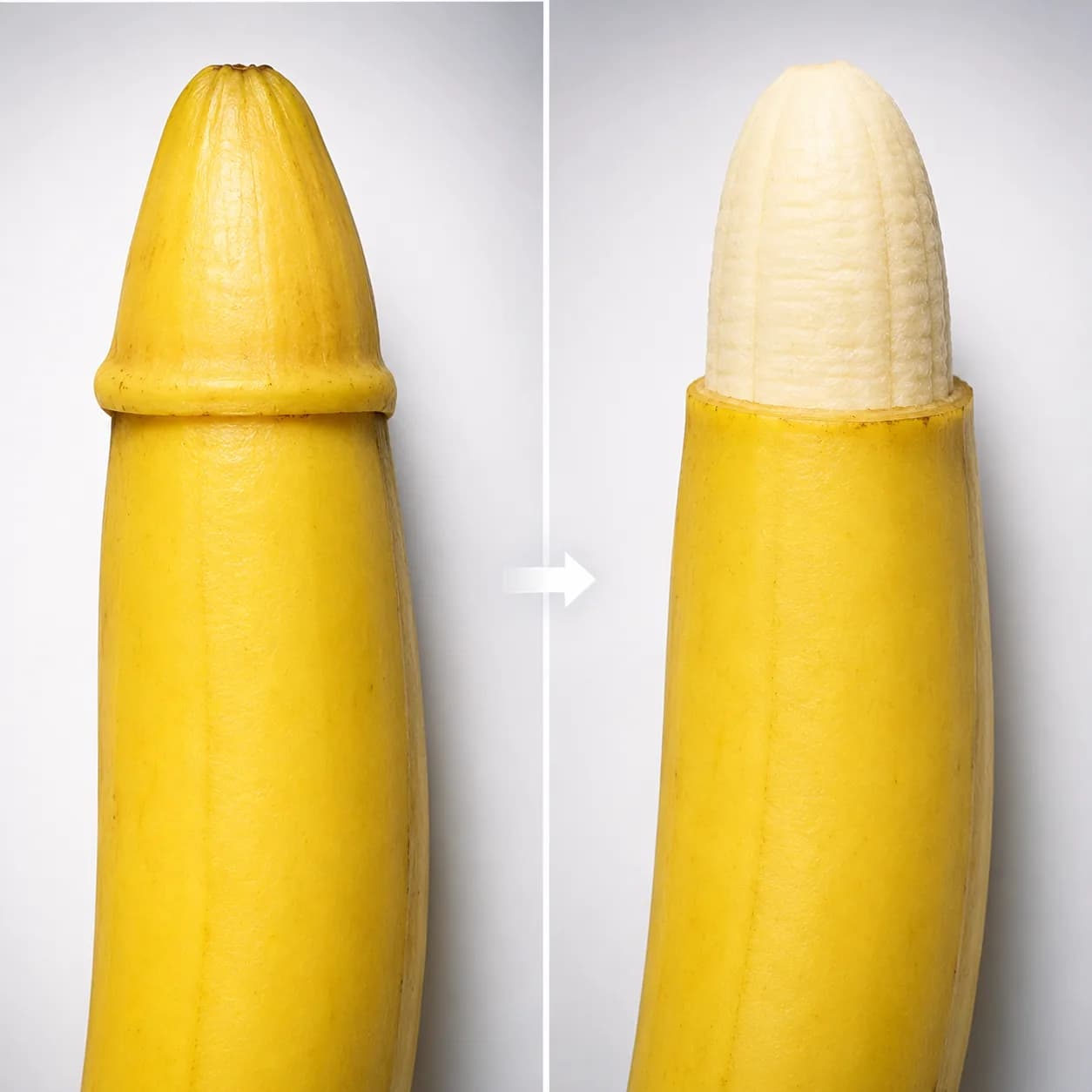
Circumcision is a surgical procedure in which the foreskin—the skin covering the head of the penis—is removed. It may be recommended for medical conditions such as phimosis (tight foreskin), recurrent balanitis or persistent scarring and other diseases affecting the foreskin.
Dr. Jay Pitroda provides circumcision using both conventional surgical and stapler-assisted techniques. The choice of technique depends on the indication, anatomy, medical history, patient preference and clinical suitability.
With conventional circumcision, the excess foreskin is removed and the skin edges are closed with absorbable sutures. With stapler-assisted circumcision, a dedicated circular device is used to remove the excess foreskin and create a circumferential closure using staples.
The aim is to treat the underlying problem appropriately while achieving a safe result, good wound healing and a comfortable recovery.
Conventional circumcision
Conventional circumcision involves carefully removing the foreskin using standard surgical techniques, followed by closure of the skin edges with absorbable sutures. It is a well-established approach and can be adapted to the patient's anatomy and indication.
Stapler-circumcision
Stapler-assisted circumcision uses a circular surgical device to remove the excess foreskin and create a circumferential closure with staples. Clinical studies have reported shorter operative times with device-assisted techniques compared with conventional circumcision, although outcomes vary between devices, patients and clinical settings.


What to expect
Your consultation begins with a discussion of the reason for circumcision, symptoms, previous treatment, medical history and any concerns regarding the foreskin. Examination helps determine whether circumcision is appropriate and which technique is suitable.
Before the procedure, the anesthesia and expected recovery are discussed. Circumcision is commonly performed as a short-stay procedure, with the type of anesthesia selected according to the patient, procedure and clinical setting.
You will be informed about the expected appearance after circumcision, wound care, possible swelling and the period required for healing before normal activities are resumed.
Recovery
Some swelling, bruising and tenderness are expected during the early recovery period. With conventional circumcision, absorbable stitches generally dissolve over the following weeks.
After stapler-assisted circumcision, the staples remain temporarily and are managed according to the specific device used and the post-operative plan.
You will receive instructions regarding wound care, medicines, bathing, physical activity and follow-up. Sexual activity should be avoided until the wound has healed adequately, with the exact timing guided by the surgeon.
Common questions
Medical reasons can include phimosis, recurrent balanitis, foreskin scarring and certain diseases affecting the foreskin or glans.
Phimosis is a condition in which the foreskin is too tight to retract normally. Treatment depends on the cause and severity; circumcision is one possible treatment when appropriate.
Conventional circumcision removes the foreskin using standard surgical instruments and closes the skin with sutures. Stapler circumcision uses a dedicated circular device to remove the foreskin and create a circumferential closure with staples.
There is no single technique that is best for every patient. Device-assisted circumcision can have advantages such as shorter operative time in clinical studies, but the appropriate method depends on the patient's anatomy, indication, clinical setting and surgeon's assessment.
Circumcision is commonly performed as a short-stay procedure, although the duration of observation depends on the procedure, anaesthesia and recovery.
Healing varies between patients. Conventional circumcision wounds generally require several weeks to heal fully, and absorbable stitches commonly dissolve over approximately 2–3 weeks depending on the technique and suture material.
Mostly within days of the surgery but still, this depends on your occupation, discomfort and the procedure performed. Your surgeon will advise you about returning to routine and physically demanding activities.
Sexual activity should generally be avoided until the wound has healed adequately. Mostly after 4-6 weeks after the surgery. The exact timing depends on healing and your surgeon's advice.
NO. The operation is intended to remove the foreskin rather than alter the urinary passage. Temporary swelling can occur during recovery.
NO. Circumcision itself does not remove the testicles or reproductive organs and is not expected to prevent a person from fathering children.
Increasing swelling or pain, persistent bleeding, fever, difficulty passing urine, wound separation or other concerning symptoms should prompt medical review.
Considering this procedure?
Book a consultation with Dr. Pitroda to discuss whether it's right for you.