Emergency & Trauma Surgery
Prompt surgical assessment and emergency treatment for acute abdominal conditions, injuries, wounds and other surgical emergencies.

Key benefits
Prompt surgical assessment
Emergency & trauma management
Urgent operative care when required
Overview
Surgical emergencies require timely assessment, appropriate resuscitation and coordinated treatment. Dr. Jay Pitroda provides evaluation and surgical management of acute abdominal conditions, traumatic injuries and other urgent general-surgical problems at Advanced Superspeciality Hospital, Gandhinagar.
Emergency surgical conditions may include acute appendicitis, perforation of the gastrointestinal tract, intestinal obstruction, strangulated hernia, acute gallbladder disease, abdominal trauma, soft-tissue infections and other conditions requiring urgent surgical assessment.
The initial approach focuses on rapid clinical assessment, stabilisation and appropriate investigations, followed by medical, procedural or operative treatment according to the patient's condition. Emergency care may require coordination between emergency, anesthesia, surgical, critical-care and nursing teams.
Trauma Surgery
Traumatic injuries can involve the abdomen, chest, soft tissues and other body regions and may range from minor wounds to life-threatening internal injuries.
Trauma assessment begins with a structured evaluation to identify and treat immediate threats, followed by further examination and investigations according to the patient's condition. In patients with serious abdominal injury, surgery may be required when indicated by the clinical findings and overall assessment.
Dr. Jay Pitroda provides surgical evaluation and management of selected abdominal and general-surgical trauma cases, with escalation or referral when specialist services beyond the available surgical scope are required.
What to expect
Emergency surgical care begins with a rapid clinical assessment of your symptoms, vital signs and overall condition. The immediate priority is to identify conditions that require urgent stabilization or surgery.
Blood tests, ultrasound, X-ray, CT or other investigations may be used depending on the suspected diagnosis and clinical situation. The timing and type of investigation are determined by the urgency of the condition.
When an operation is required, the surgical team will proceed according to the patient's condition, diagnosis and operative findings. In emergencies, treatment decisions may need to be made more quickly than in planned surgery.
When Emergency Surgery May Be Required
Emergency surgery may be necessary when a condition cannot be safely managed with observation or non-operative treatment, or when delay could result in worsening infection, bleeding, tissue damage or other serious complications.
Examples include perforation, uncontrolled intra-abdominal infection, strangulated or obstructed hernia, complicated appendicitis, bowel obstruction and selected traumatic abdominal injuries. The need for surgery is determined by the clinical assessment and investigations.
Recovery
Recovery after emergency surgery varies considerably depending on the underlying condition, urgency of treatment, extent of surgery and the patient's overall health. Patients with uncomplicated conditions may recover relatively quickly, while severe infection, blood loss, trauma or major abdominal surgery may require prolonged hospitalisation and critical-care support.
After surgery, care may include pain management, wound care, antibiotics when indicated, nutritional support, mobilisation and follow-up. The recovery plan is tailored to the procedure and the patient's progress.
Common questions
Conditions can include gastrointestinal perforation, bowel obstruction, strangulated hernia, complicated appendicitis, severe abdominal infection and selected traumatic injuries.
Trauma surgery involves the assessment and surgical management of injuries caused by events such as road traffic accidents, falls, blunt trauma or penetrating injuries.
The team first performs a structured assessment to identify immediate threats, stabilize the patient and determine which investigations and treatments are needed.
Yes. Selected abdominal injuries can cause internal bleeding or organ damage requiring operative treatment. The decision depends on the patient's clinical condition and investigation findings.
No. Some emergency conditions can be managed with medicines, observation, drainage or other non-operative treatment. Surgery is recommended when clinically indicated.
Yes. Acute appendicitis may require urgent surgical assessment and appendectomy, depending on the diagnosis and clinical situation.
Yes. A trapped hernia that compromises its contents can require urgent surgical treatment.
Perforation can allow intestinal contents and bacteria to enter surrounding tissues, potentially causing severe infection. Treatment may require antibiotics, drainage and/or emergency surgery depending on the situation.
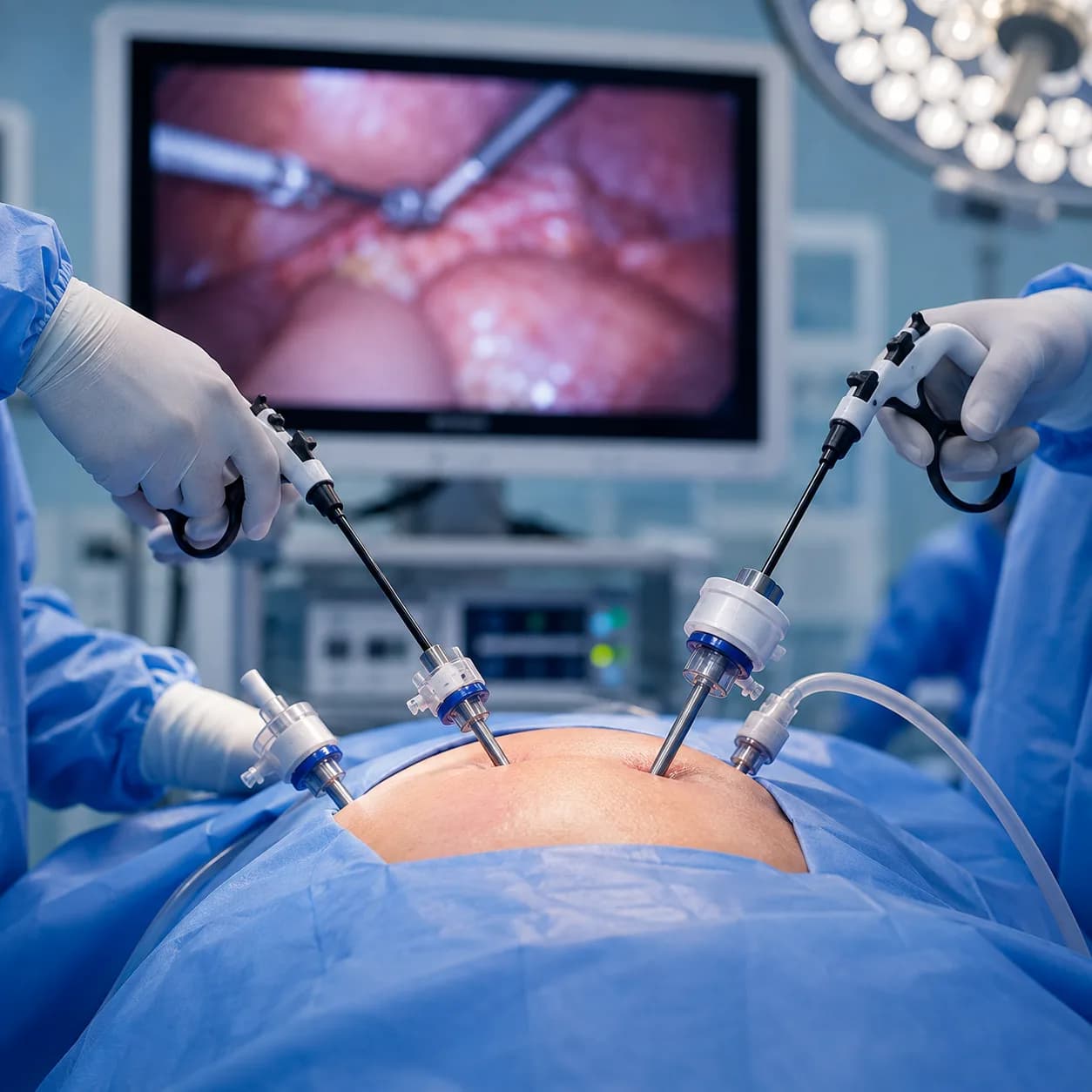
Some emergency operations can be performed laparoscopically in appropriately selected patients. The approach depends on the diagnosis, severity, hemodynamic status, previous surgery, anatomy and patient's general health condition.
Yes. If the surgeon determines that an open approach is safer based on the patient's condition or operative findings, conversion may be necessary.
Severe or rapidly worsening abdominal pain, persistent vomiting, fainting, significant bleeding, abdominal swelling, severe injury, difficulty breathing or sudden deterioration should receive urgent medical assessment.
Considering this procedure?
Book a consultation with Dr. Pitroda to discuss whether it's right for you.