Gallbladder Stone Disease
Diagnosis and treatment of gallbladder stones, with laparoscopic gallbladder removal (cholecystectomy) for patients who require surgery.
Key benefits
Keyhole removal
Quick recovery
Minimal scarring
Laparoscopic cholecystectomy
Small-incision minimally invasive approach
Day-care or short-stay in selected cases
Overview
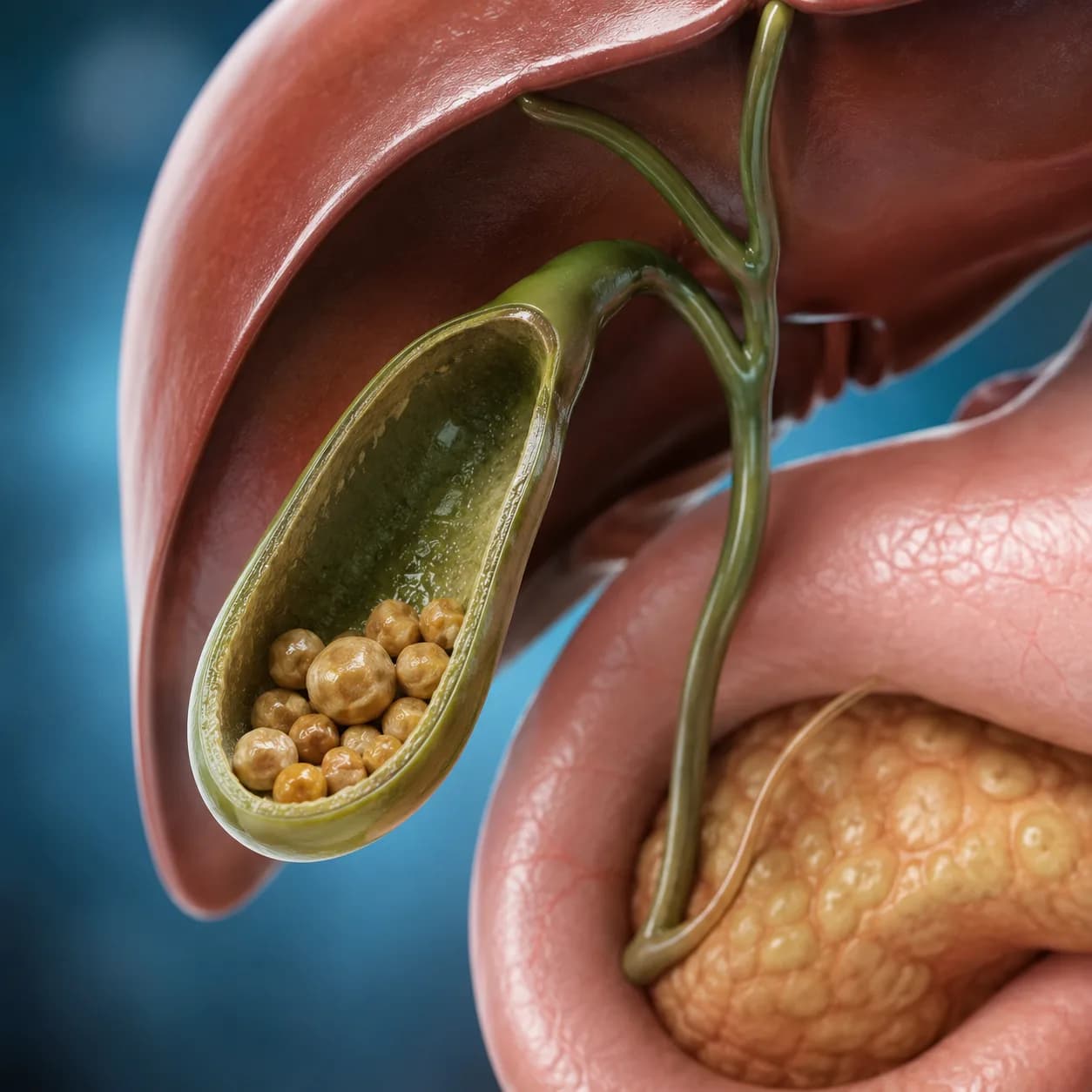
Gallbladder stones, also called gallstones, are hardened deposits that form inside the gallbladder. Some people have gallstones without symptoms, while others may develop repeated abdominal pain, indigestion, nausea or complications such as inflammation of the gallbladder or pancreatitis.
Dr. Jay Pitroda provides evaluation and surgical treatment for symptomatic gallstone disease, with Laparoscopic cholecystectomy as the standard minimally invasive approach for appropriate patients.
Treatment depends on your symptoms, examination, ultrasound findings, medical history and whether complications are present. The goal is to provide the appropriate treatment while ensuring you understand the diagnosis, available options and expected recovery.
What to expect
Your consultation begins with a review of your symptoms, medical history and previous reports. An ultrasound is commonly used to assess the gallbladder and identify stones or associated inflammation. Blood tests and additional imaging may be advised when clinically required.
If surgery is recommended, Dr. Jay Pitroda will explain laparoscopic cholecystectomy, the expected hospital stay, preparation, potential risks and recovery. The timing of surgery depends on whether the gallstones are uncomplicated or associated with inflammation or other complications.
Recovery
Laparoscopic gallbladder surgery generally involves small abdominal incisions, and many appropriately selected patients can begin walking and taking fluids soon after surgery. Hospital stay and return to routine activities vary according to the individual patient and whether complications were present.
You will receive clear instructions regarding diet, wound care, medicines, physical activity and follow-up. Recovery is monitored according to your symptoms and progress.
Common questions
Gallstones may cause no symptoms at all. When symptomatic, they can cause pain in the upper abdomen, particularly after meals, sometimes with nausea or vomiting.
People with gallstones but no symptoms may not require surgery. For symptomatic or complicated gallstone disease, surgical treatment may be recommended after clinical assessment.
Surgery is commonly considered for symptomatic gallstones and certain complications such as acute cholecystitis or gallstone-related pancreatitis, depending on the clinical situation.
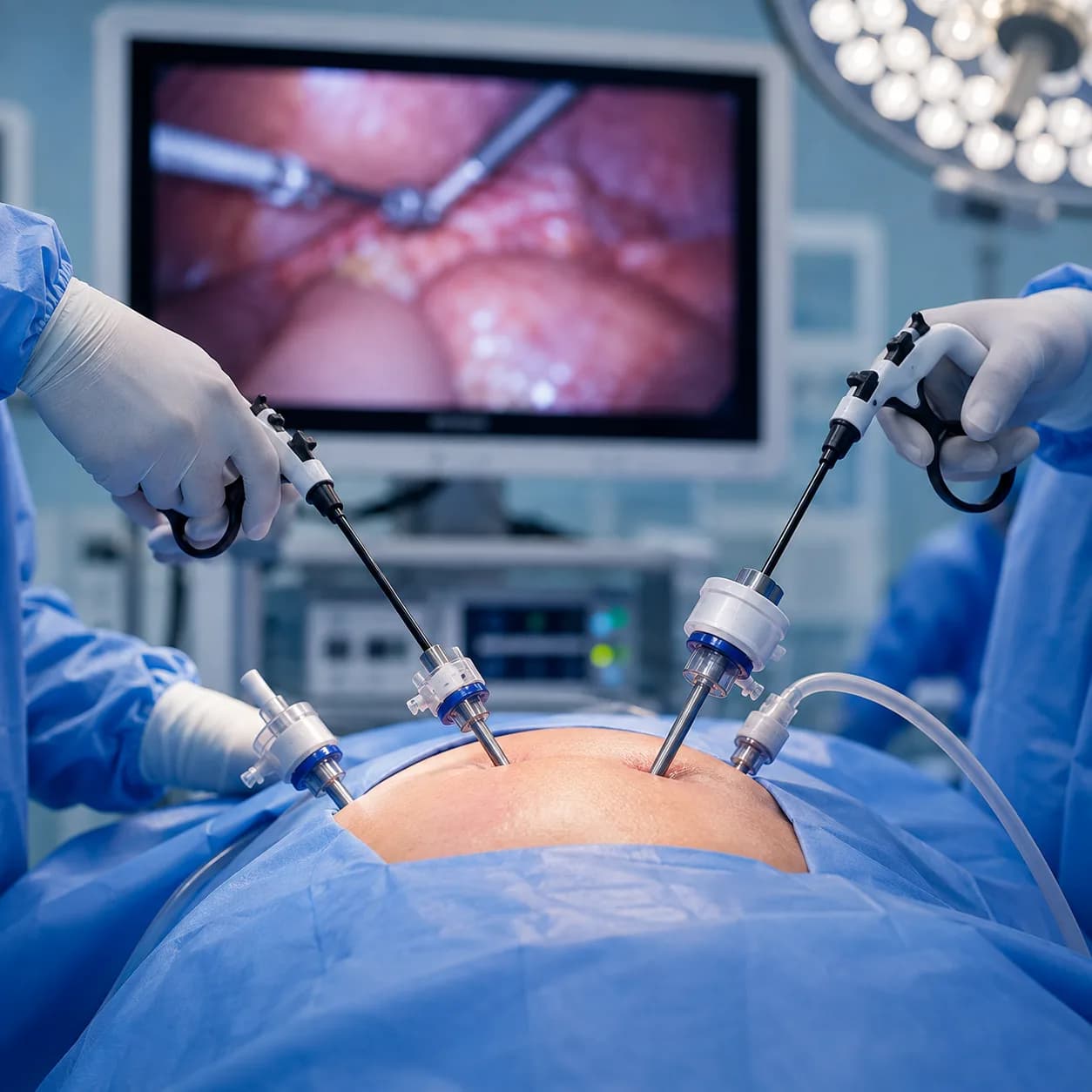
Laparoscopic cholecystectomy is a minimally invasive operation in which the gallbladder is removed using small abdominal incisions and a camera.
The short answer is NO. In most surgical treatment of symptomatic gallstone disease, the gallbladder is removed rather than simply removing the stones, because stones can recur if the gallbladder remains.
Diet is usually advanced gradually after surgery. Many patients can return to a regular diet over time, although temporary dietary adjustments may be recommended depending on symptoms and recovery.
Yes. A gallstone can sometimes obstruct the bile duct and contribute to acute pancreatitis. This requires prompt medical evaluation.
Severe or persistent upper abdominal pain, fever, repeated vomiting, jaundice or worsening symptoms require prompt medical assessment.
Considering this procedure?
Book a consultation with Dr. Pitroda to discuss whether it's right for you.