Gastrointestinal & HPB Surgery
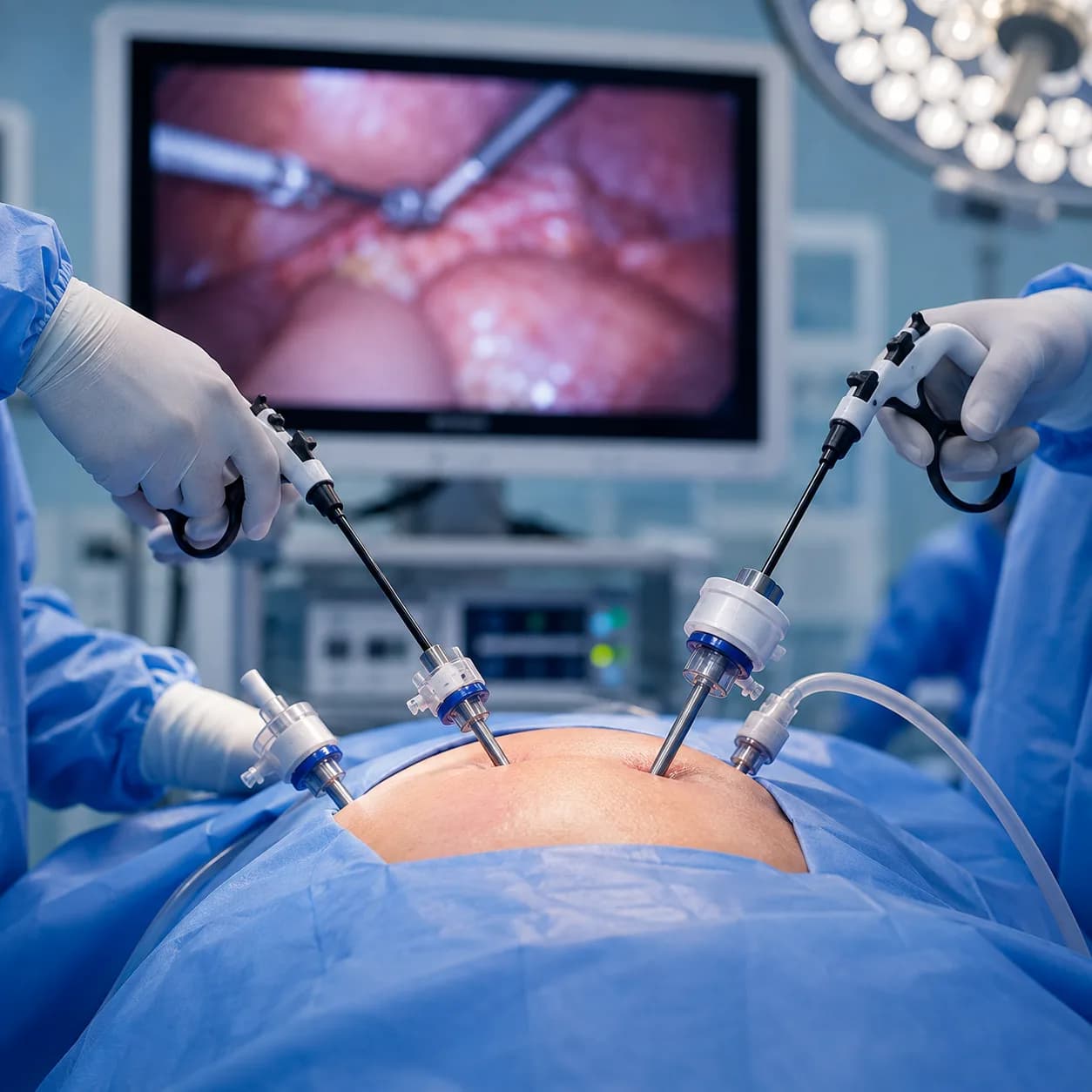
Surgical treatment of gastrointestinal, liver, gallbladder, bile-duct and pancreatic conditions, with laparoscopic and open approaches selected according to the individual case.
Key benefits
Comprehensive GI care
Minimal-access where possible
Individualised treatment planning
Post-operative follow-up care
Laparoscopic & open surgical options
Overview
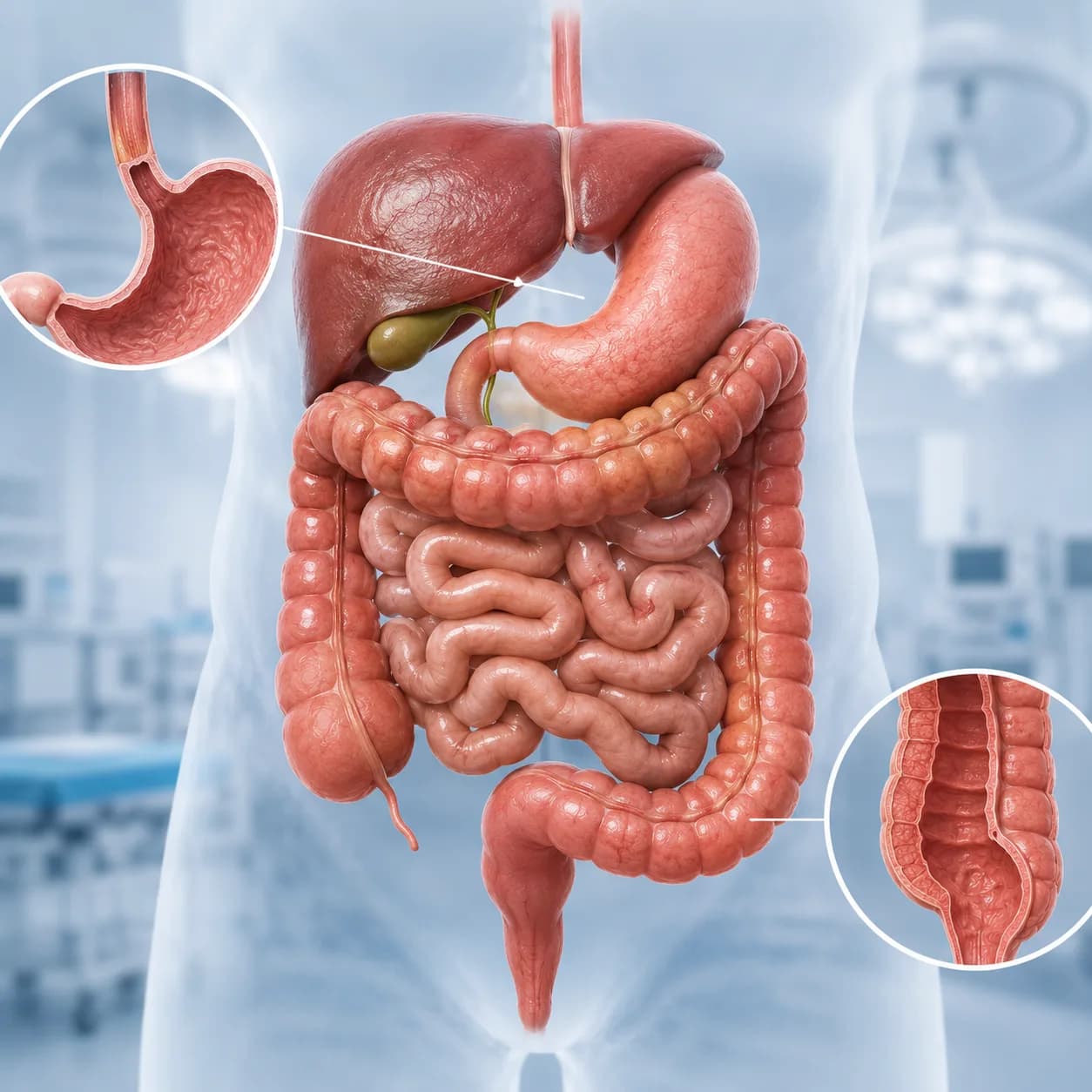
Gastrointestinal (GI) and hepato-pancreato-biliary (HPB) surgery involves the surgical treatment of conditions affecting the digestive tract and the liver, gallbladder, bile ducts and pancreas. HPB surgery encompasses both benign and malignant conditions involving these organs, while upper and lower GI surgery addresses diseases affecting different parts of the digestive system.
Dr. Jay Pitroda provides surgical evaluation and treatment for selected upper and lower gastrointestinal and HPB conditions, including gallbladder disease, gastrointestinal perforation, intestinal obstruction, appendicitis, selected liver conditions and other abdominal surgical problems.
Depending on the diagnosis and complexity of the condition, treatment may involve laparoscopic, open, medical or staged management. The recommended approach is determined by the patient's symptoms, examination, investigations, anatomy and overall health.
Upper gastrointestinal surgery
Peptic Ulcer Perforation
Emergency surgical management of perforated peptic ulcer in appropriate cases.
Hiatus Hernia
Evaluation and surgical treatment of selected symptomatic or complicated hiatus hernias.
Stomach & Duodenal Conditions
Surgical treatment of selected benign and emergency conditions affecting the stomach and duodenum.
Upper GI Obstruction & Perforation
Assessment and operative management when indicated.
Lower GI & Intestinal Surgery
Lower gastrointestinal surgery
Intestinal Obstruction
Evaluation and treatment of mechanical or complicated bowel obstruction.
Small-Bowel Perforation
Emergency management of selected intestinal perforations.
Volvulus
Assessment and surgical management of bowel twisting causing obstruction.
Intestinal Strictures & Disease
Treatment depends on the underlying cause and extent of disease.
Colorectal Conditions
Selected benign, inflammatory and surgical conditions involving the colon and rectum.
Hepato-pancreato-biliary (HPB) surgery
Gallbladder
Gallstones • Cholecystitis • Laparoscopic Cholecystectomy
Liver
Selected liver cysts • Liver abscess • Other surgically treatable liver conditions
Bile duct
Selected bile-duct obstruction, injury or disease requiring surgical assessment
Pancreas
Selected pancreatic conditions and complications requiring surgical evaluation
What to expect
Your evaluation begins with a detailed review of your symptoms, previous medical and surgical history, medication use and available investigation reports. Depending on the suspected condition, investigations may include blood tests, ultrasound, CT, MRI, endoscopy or other specialist assessments.
If surgery is indicated, Dr. Pitroda will explain the diagnosis, treatment options, expected benefits, potential risks, anesthesia, hospital stay and recovery. The surgical approach—laparoscopic, open or staged—is selected according to the disease and individual patient factors.
For complex GI or HPB conditions, treatment may require coordination with other specialists or referral to an appropriate higher-level centre when additional subspecialty services are required.
Recovery
Recovery after GI or HPB surgery varies significantly depending on the organ involved, complexity of the disease and type of operation. Smaller laparoscopic procedures may have a relatively shorter recovery, while major abdominal, liver or pancreatic surgery may require a longer hospital stay and rehabilitation.
During recovery, care may include pain management, nutrition, mobilization, wound care, medication and follow-up. Your discharge plan and return to normal activities will depend on your procedure and clinical progress.
Common questions
HPB stands for hepato-pancreato-biliary and refers to surgery involving the liver, pancreas, bile ducts and gallbladder.
GI surgery may be required for conditions such as perforation, bowel obstruction, volvulus, appendicitis, selected intestinal diseases and other surgical disorders of the digestive tract.
HPB surgery may involve gallbladder disease, bile-duct disorders, selected liver conditions and pancreatic disease, including both benign and malignant conditions
No. Some procedures can be performed laparoscopically, while others require open surgery depending on the disease, anatomy, previous surgery and complexity.
Depending on the condition, investigations may include blood tests, ultrasound, CT, MRI, endoscopy or other targeted studies.
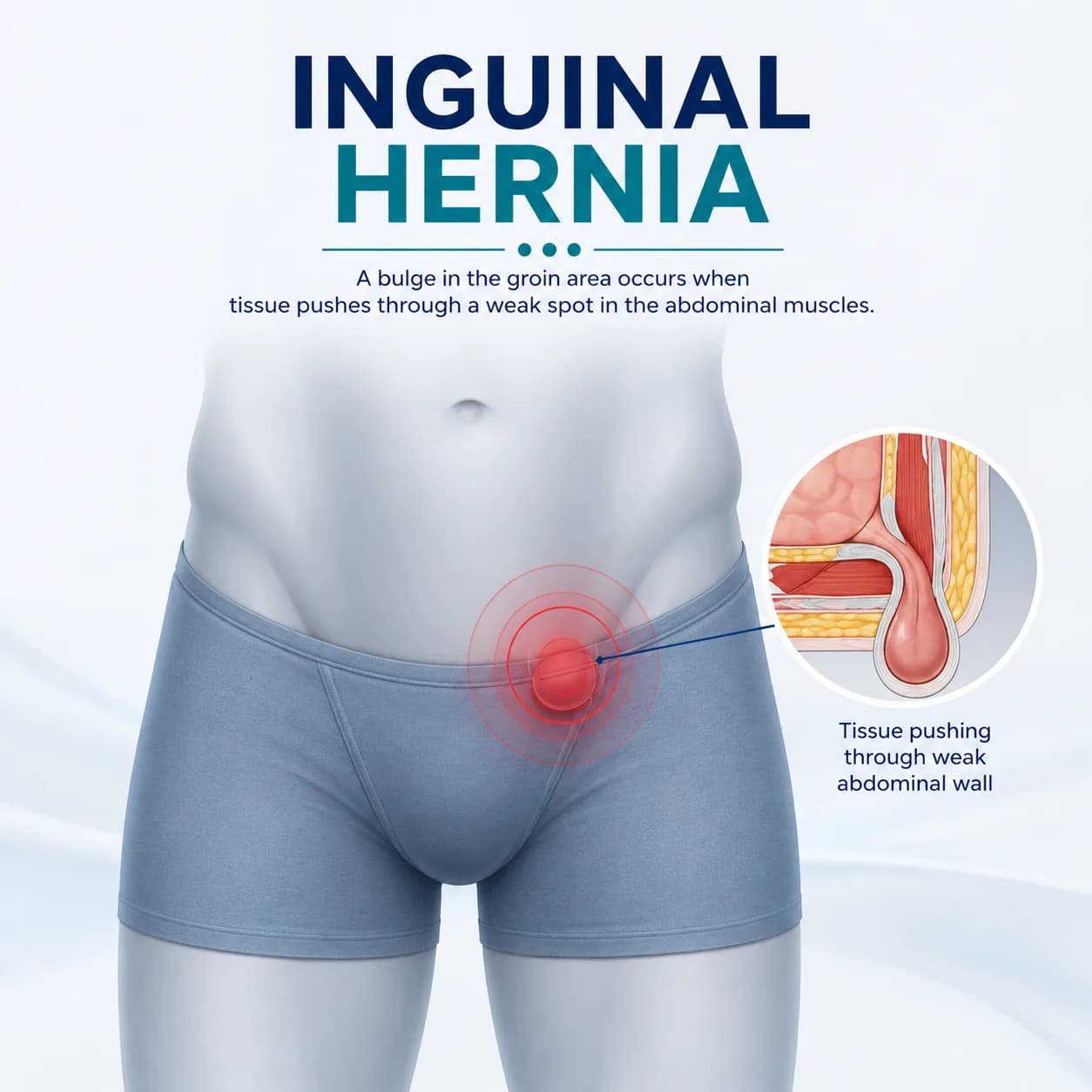
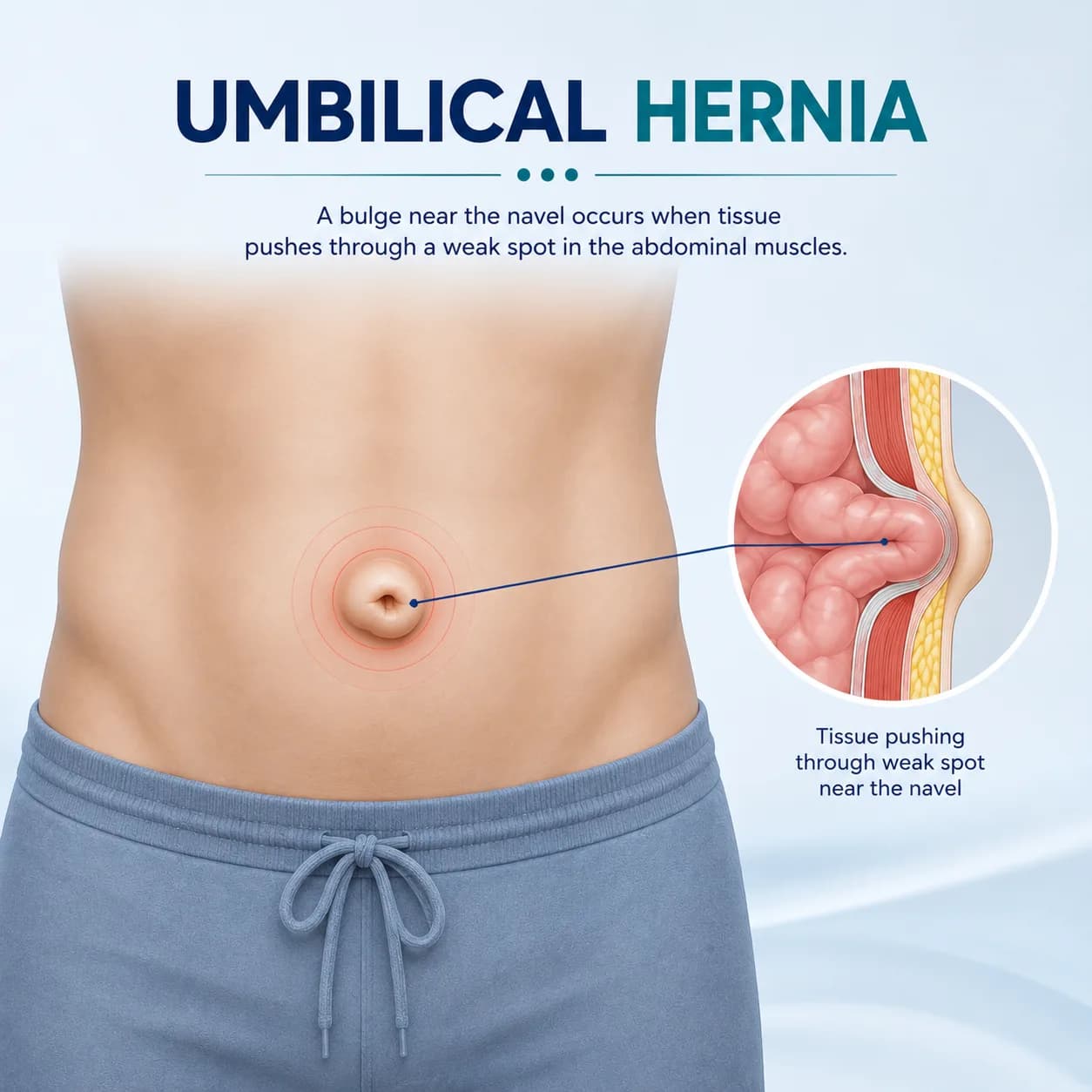
Yes. Conditions such as perforation, bowel obstruction, complicated appendicitis or strangulated hernia may require urgent surgical assessment and, when indicated, emergency surgery.
Recovery depends on the operation, underlying disease and individual health. Simple procedures may have shorter recovery periods than major intestinal, liver or pancreatic operations.
Hospital stay varies substantially according to the operation and recovery. Major HPB procedures can require prolonged inpatient recovery, while selected less extensive operations may require shorter stays.
Yes. Some complex diseases require multidisciplinary or highly specialised services, and referral to an appropriate specialist centre may be part of safe treatment planning. Specialist HPB services commonly coordinate care across surgery, oncology, radiology and other disciplines.
Considering this procedure?
Book a consultation with Dr. Pitroda to discuss whether it's right for you.