Laparoscopic (Keyhole) Surgery
Minimally invasive surgery performed through small incisions using a camera and specialized instruments, for selected abdominal and general surgical conditions.
Key benefits
Shorter hospital stay
Small incisions
Earlier return to routine activities
Less post-operative pain
Overview
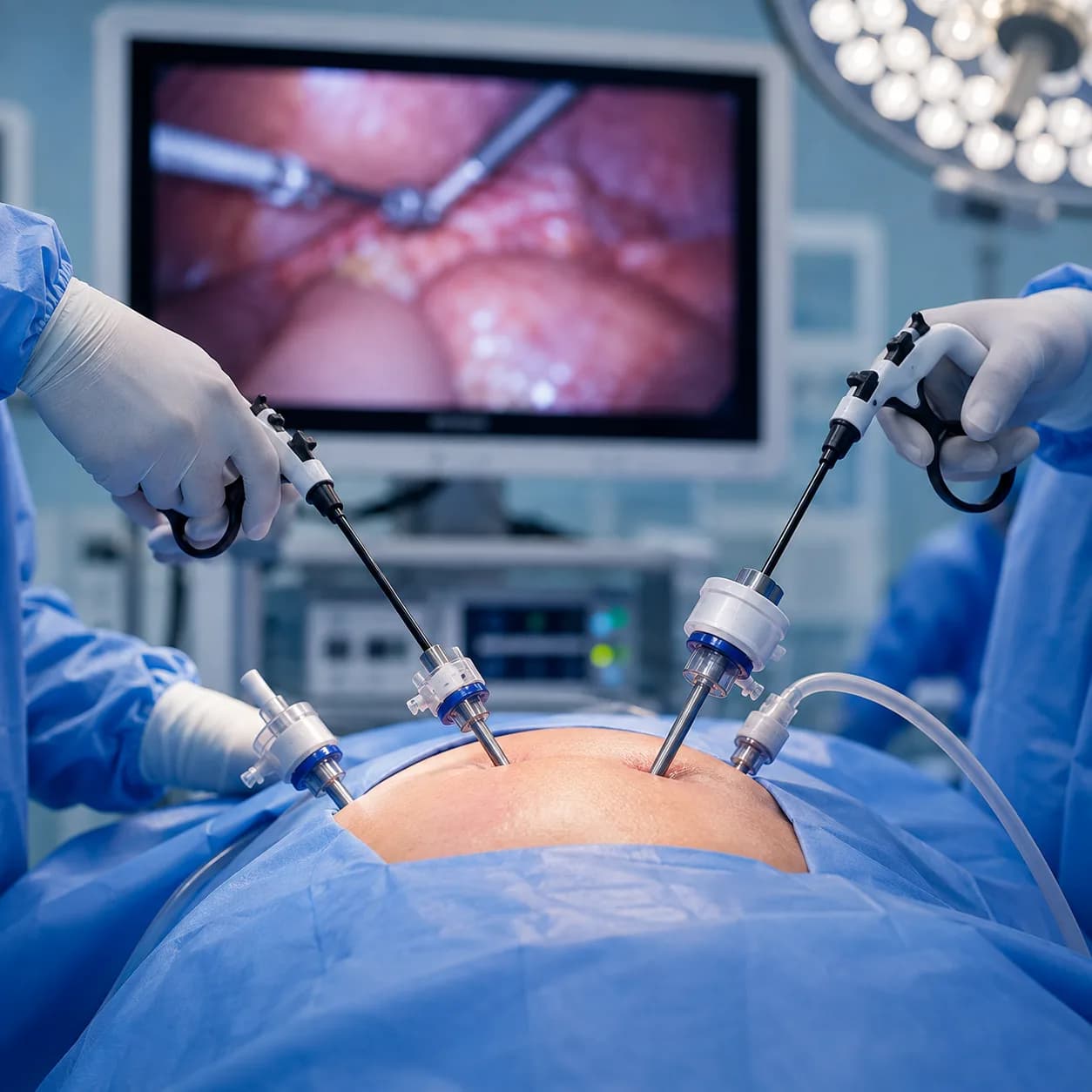
Laparoscopic surgery, also known as keyhole or minimally invasive surgery, allows many operations to be performed through small abdominal incisions rather than one larger incision. A laparoscope—a thin camera—is inserted through a small port, providing a magnified view of the surgical area on a monitor. Specialized instruments are passed through additional small ports to perform the operation.
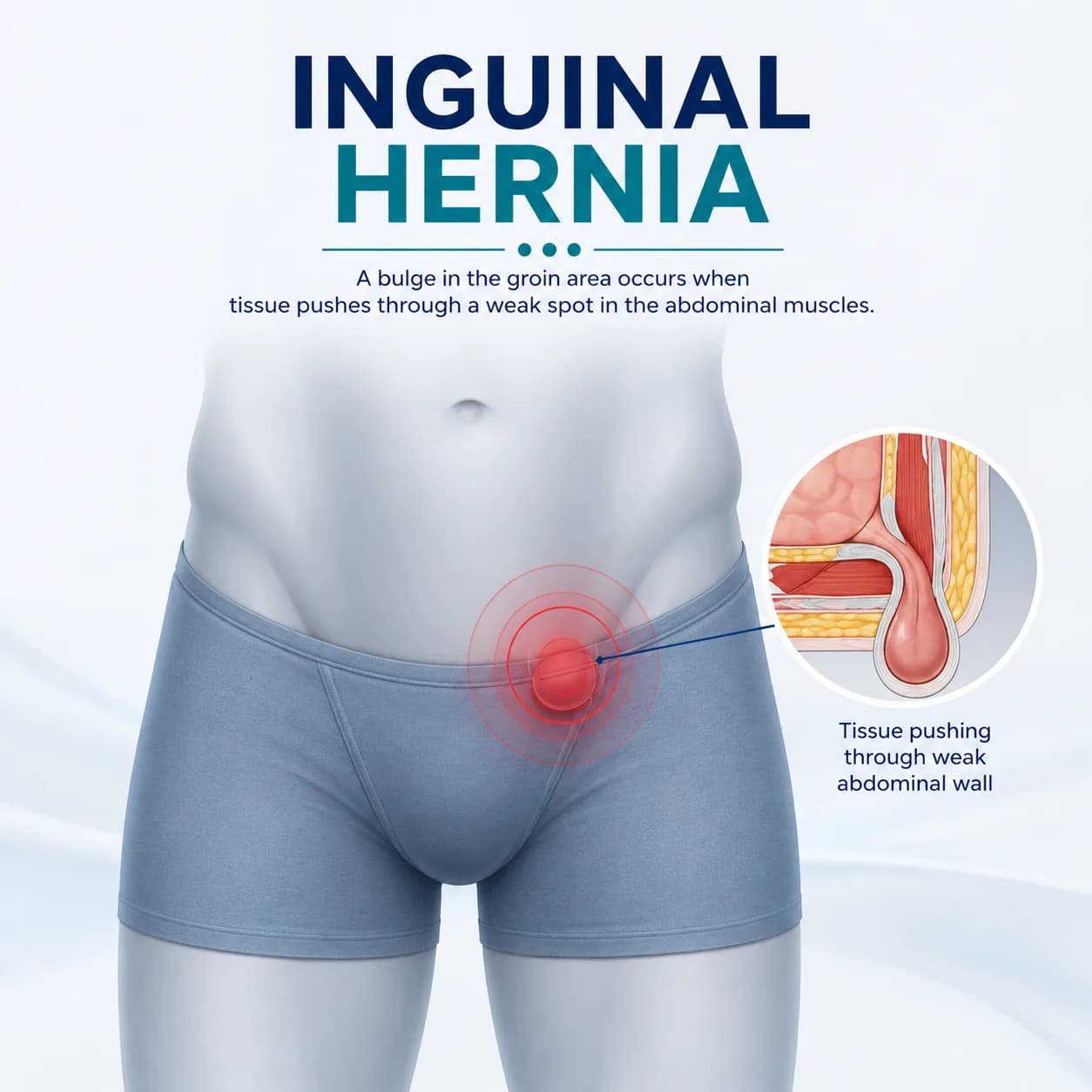
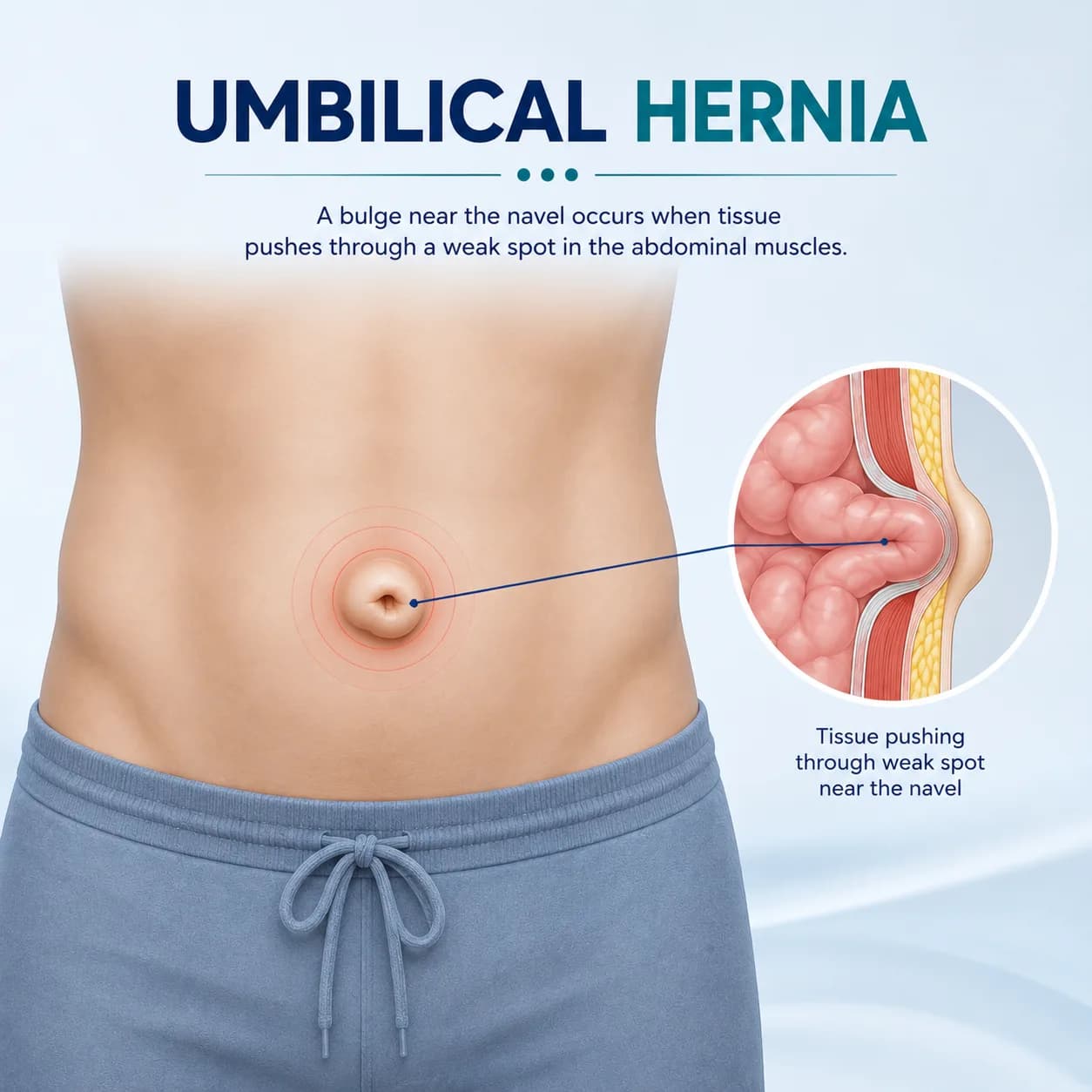
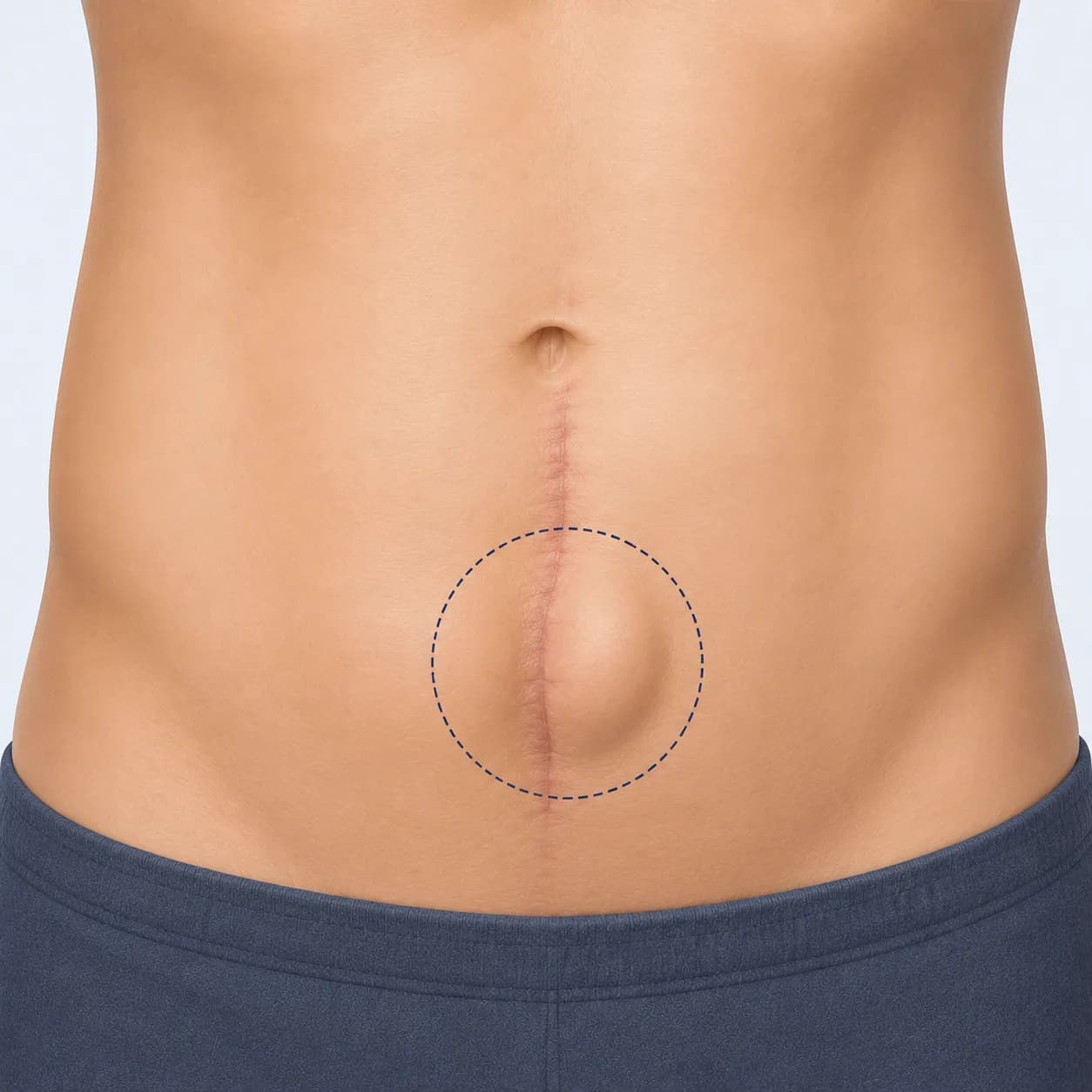
Dr. Jay Pitroda performs laparoscopic surgery for selected abdominal and general surgical conditions, including hernia, gallbladder, appendix and gastrointestinal conditions. The appropriate surgical approach depends on the diagnosis, anatomy, previous operations, overall health and complexity of the condition.
For suitable patients, minimally invasive surgery may offer smaller incisions, less post-operative discomfort and a shorter hospital stay compared with open surgery, although outcomes vary depending on the procedure and individual patient.
What to expect
Your treatment begins with a consultation to understand your symptoms, medical history, previous operations and investigation reports. Depending on your condition, additional blood tests or imaging may be required before surgery.
If Laparoscopic surgery is appropriate, Dr. Jay Pitroda will explain the procedure, expected benefits, possible risks, hospital stay and recovery. Surgery is planned according to your individual condition rather than using the same approach for every patient.
In some situations, laparoscopic surgery may need to be modified or converted to an open procedure if this is considered safer during the operation. This decision is based on patient safety and surgical findings.
Recovery
Recovery after laparoscopic surgery varies according to the procedure, the underlying condition and your individual health. Many patients can begin moving and taking fluids relatively soon after surgery, and some procedures may be suitable for same-day discharge to home or shorter hospital stay.
You may experience temporary soreness around the incisions, abdominal discomfort, bloating or shoulder-tip pain related to the carbon dioxide used during laparoscopy. These symptoms generally improve as recovery progresses.
You will receive personalized instructions regarding wound care, medicines, diet, physical activity, driving, lifting restrictions and follow-up.
Common questions
Depending on the operation, laparoscopic surgery may offer smaller incisions, less post-operative pain, a shorter hospital stay and an earlier return to normal activities compared with open surgery.
No. Suitability depends on the condition being treated, previous operations, anatomy, medical history and the complexity of the surgery.
Many procedures can be performed laparoscopically, including selected hernia repairs, gallbladder removal, appendectomy and gastrointestinal procedures.
Most operative laparoscopic procedures are performed under general anesthesia. The anesthetic plan is determined according to the procedure and the patient's health.
Hospital stay depends on the procedure and your recovery. Some laparoscopic operations are performed as day-care or short-stay procedures, while others require a longer admission.
Return to work depends on the type of surgery, your recovery and the physical demands of your job. Your surgeon will advise you when it is appropriate to resume work.
Occasionally, an operation that begins laparoscopically may need to be completed through an open incision if this is considered safer because of the anatomy, bleeding, scar tissue or surgical findings.
Some laparoscopic procedures can be performed as day-care surgery, but this depends on the operation, anaesthesia, medical condition and recovery after surgery.
Considering this procedure?
Book a consultation with Dr. Pitroda to discuss whether it's right for you.