Breast Lump
Evaluation and treatment of breast lumps, including fibroadenoma, breast cysts and other benign or suspicious breast lesions, with surgical excision when clinically appropriate.
Key benefits
Detailed clinical assessment
Ultrasound / imaging-guided evaluation
Needle biopsy when indicated
Surgical excision for selected lumps
Better cosmesis
Overview
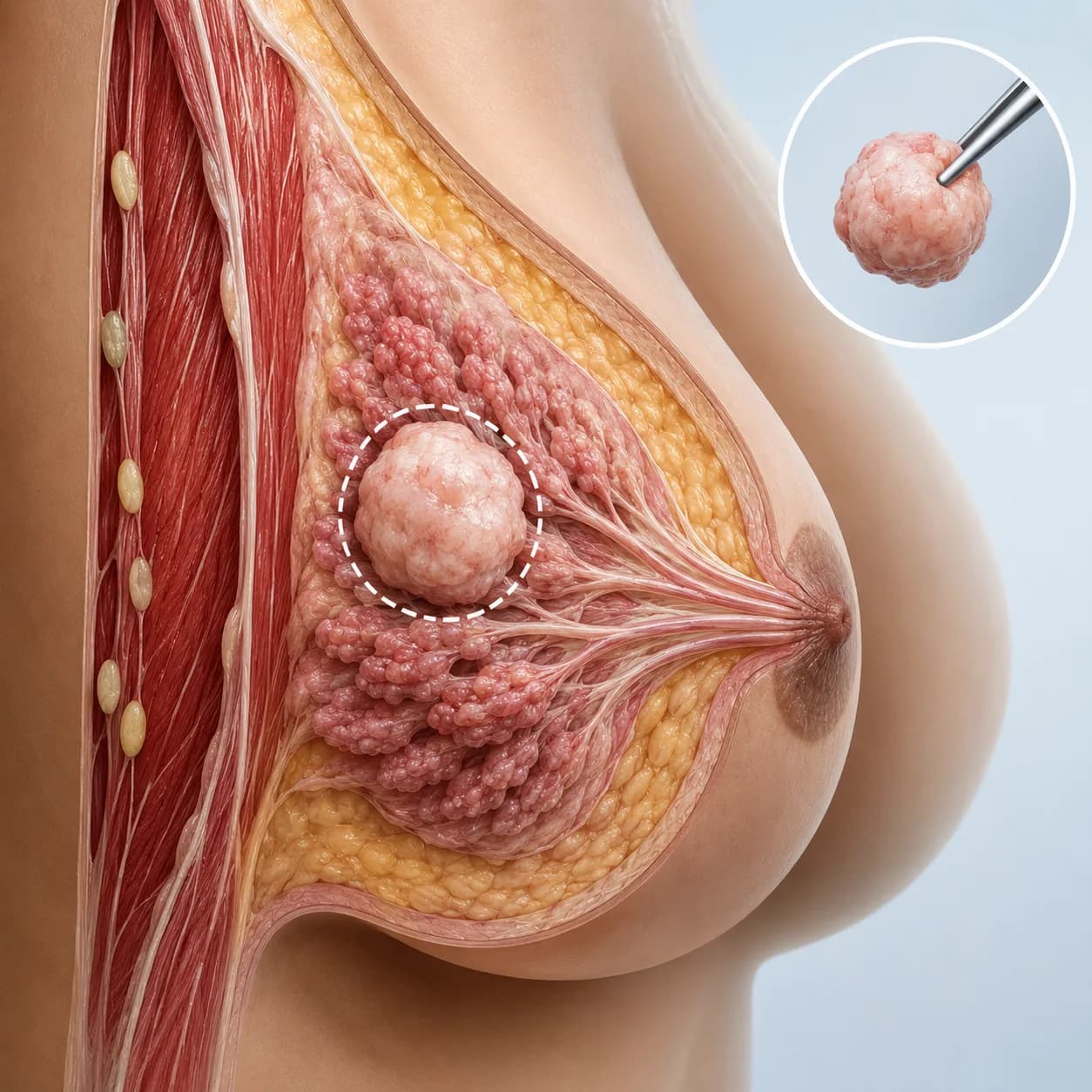
A breast lump or breast swelling can develop for many different reasons. Common causes include benign conditions such as fibroadenoma and breast cysts, although some breast lumps can represent a more serious condition. Most breast lumps are not cancerous, but a new or unexplained lump should always be properly assessed.
Dr. Jay Pitroda provides evaluation and surgical management of breast lumps, including fibroadenoma, breast cysts and other breast lesions. The appropriate treatment depends on the clinical examination, imaging findings, age, symptoms and, when required, tissue diagnosis.
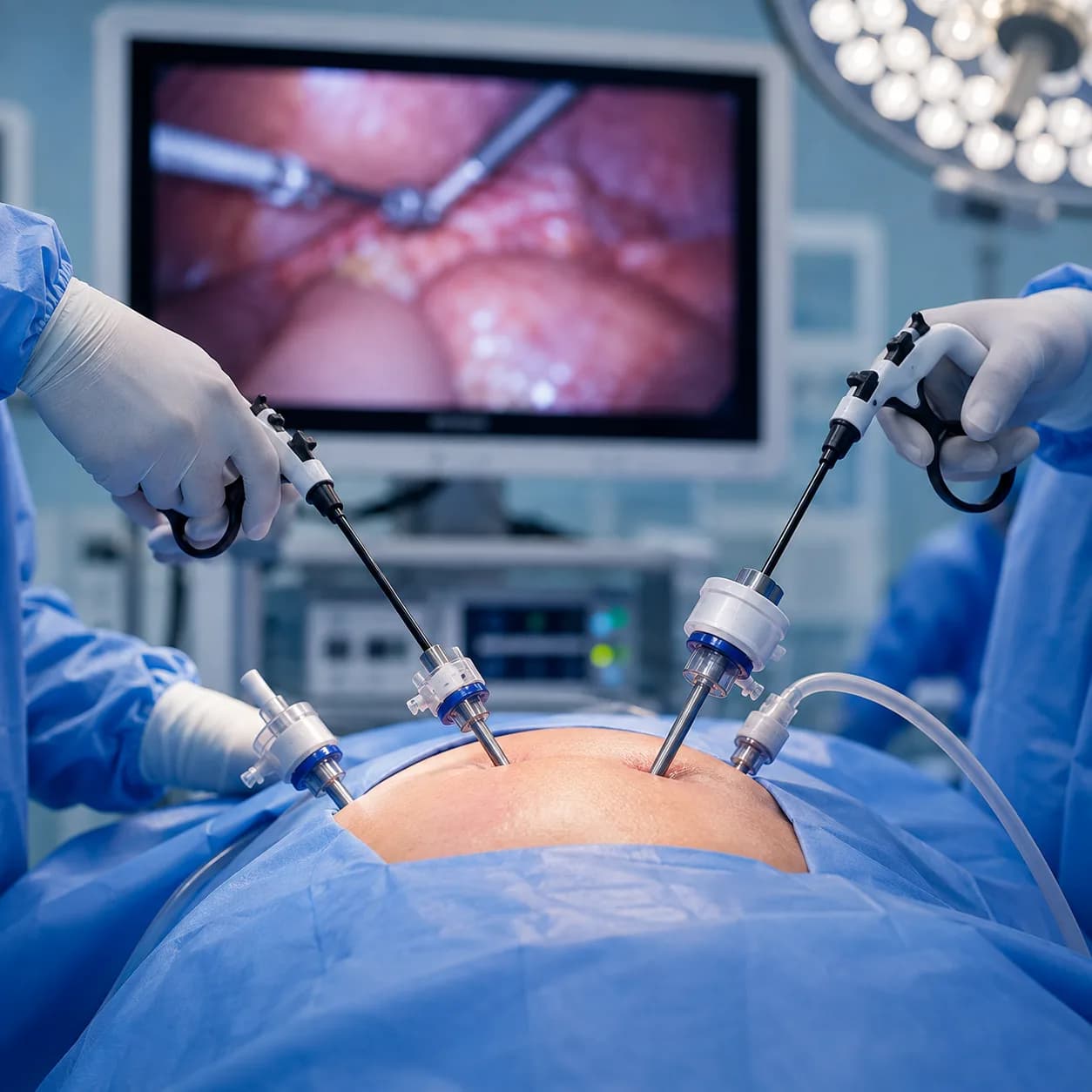
When a lump requires removal, surgical excision can be performed to remove the abnormal area for definitive pathological examination. In selected cases, less invasive biopsy or image-guided procedures may be more appropriate than surgery.
What to expect
Your consultation begins with a detailed discussion of the lump, including when it was first noticed, whether it has changed in size, associated pain or other breast symptoms, previous breast problems and relevant medical history.
A clinical breast examination is performed and previous imaging or biopsy reports are reviewed. Depending on the findings, further assessment with ultrasound, mammography or tissue sampling may be recommended.
If surgical removal is appropriate, Dr. Jay Pitroda will discuss the procedure, anesthesia, expected scar, pathology examination, possible risks and recovery before surgery
How breast lump is evaluated?
Evaluation generally begins with a clinical breast examination followed by appropriate imaging. Depending on age, symptoms and examination findings, this may include breast ultrasound, mammography or both. Ultrasound can help determine whether a lump is solid or fluid-filled.
When imaging or examination shows an area that requires further assessment, a needle biopsy such as a core biopsy or fine-needle aspiration may be recommended. A surgical biopsy is reserved for selected situations where removal of part or all of the abnormal area is appropriate
Treatment depends on the cause or the diagnosis.
Breast cyst
Some cysts can be assessed with ultrasound and, when appropriate, treated with needle aspiration rather than surgical excision.
Fibroadenoma
Fibroadenomas are common benign breast lumps. Depending on their size, growth, symptoms and imaging or biopsy findings, observation or removal may be considered.
Suspicious breast lesion
A lump with suspicious clinical or imaging features may require a core needle biopsy or another form of tissue diagnosis before definitive treatment is planned.
Surgical excision
Excision involves removing the lump or abnormal area through a planned incision, with the tissue sent for pathological examination. The incision is then closed and appropriate wound care is advised.
Recovery
Recovery after breast-lump excision depends on the size and location of the lesion and the extent of surgery. Many procedures are performed as day-care or outpatient surgery, depending on the individual case and anesthesia.
Temporary soreness, bruising or swelling can occur after breast surgery or biopsy. You will receive instructions regarding wound care, activity, pain medicines and follow-up.
The removed tissue is examined by a pathologist, and further management depends on the pathology result.
Common questions
No. Some lumps can be safely monitored, while others may require aspiration, biopsy or surgical excision depending on their clinical and imaging findings.
Assessment may include clinical examination, ultrasound, mammography and, when indicated, needle biopsy.
A biopsy may be recommended when clinical examination or imaging shows an abnormality that needs tissue diagnosis. Core needle biopsy is commonly used for this purpose.
A fibroadenoma is a common benign breast lump. Management depends on its clinical and imaging characteristics and the individual patient.
A breast cyst is a fluid-filled lesion within the breast. Ultrasound can help distinguish cystic from solid lesions, and some cysts can be treated with needle aspiration when appropriate
A surgical excision requires an incision and therefore can leave a scar. The final appearance depends on the location, size of the lesion, incision and individual healing.
Yes. Some breast lumps can be associated with breast cancer, which is why a new or unexplained lump should be assessed rather than self-diagnosed.
A new lump in the breast or armpit, nipple retraction, skin dimpling or unusual nipple discharge should be medically assessed.
Some types of benign breast lesions can recur or new lumps can develop elsewhere. Follow-up depends on the diagnosis and pathology result.
Considering this procedure?
Book a consultation with Dr. Pitroda to discuss whether it's right for you.